Icons of film revisited
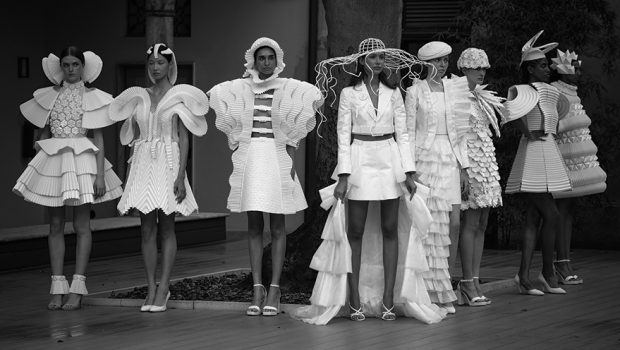
VAMP revisits Lorenzo Agius. We first introduced you to the photographer whose lens defined a generation of cinema. Now, thirty years after Trainspotting made him famous, Lorenzo returns to Malta, the land of his parents, with over fifty unpublished portraits of cinema’s biggest names. Hung across a setting that transforms into a walk-through of modern film history, this is the work you haven’t seen yet. And it was certainly worth the wait.
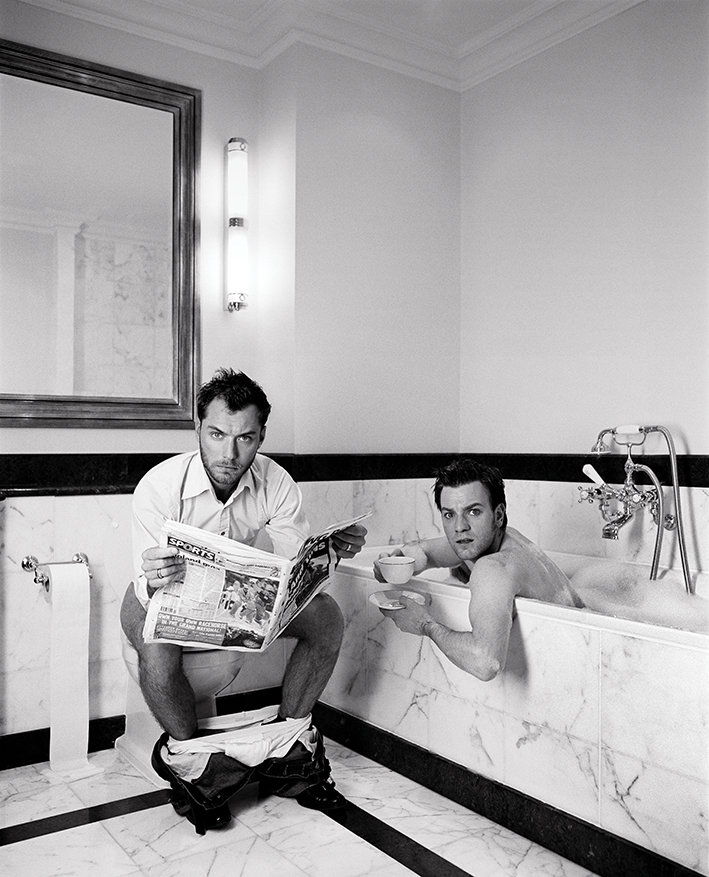
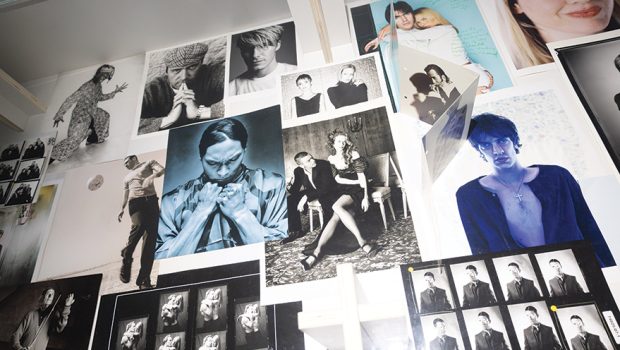
Over the course of a career spanning more than thirty years, Lorenzo Agius helped shape the visual memory of contemporary cinema. This June, the internationally acclaimed photographer, born in the UK to Maltese parents, brought his world of film, fame and finely calibrated glamour to Corinthia Palace, Attard, with Icons of Film, an exhibition that opened to coincide with the Mediterrane Film Festival. Set within one of Malta’s most elegant hospitality settings, the exhibition presented a striking selection of over fifty portraits of some of the most recognisable figures in modern cinema.
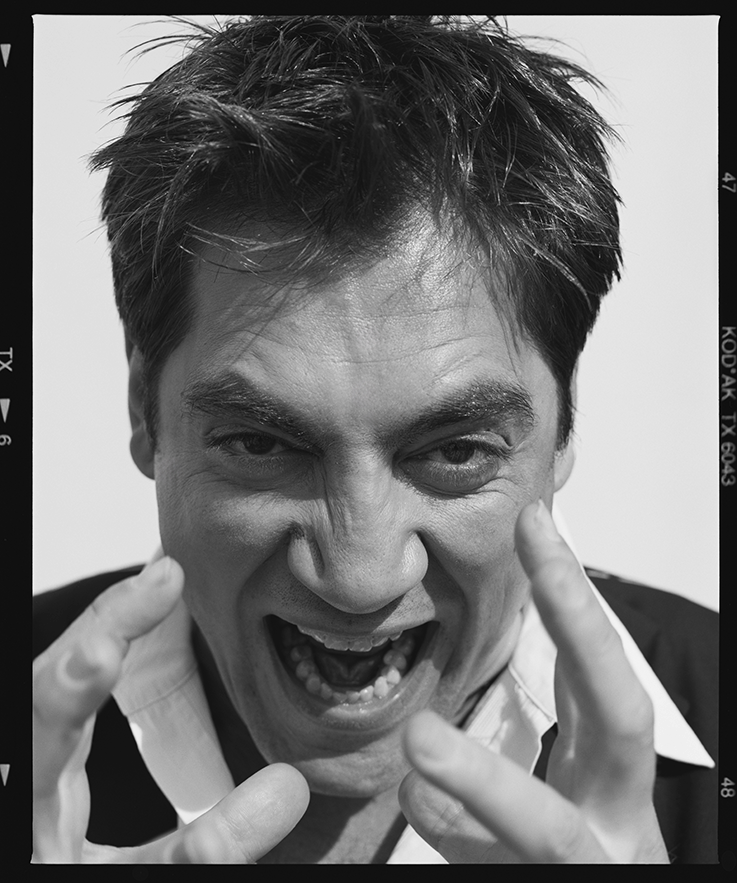

Having opened on 25 June, Icons of Film unfolded across several spaces within Corinthia Palace Malta, from Josephine’s in the hotel lobby to Francesco Mazzei at Villa Corinthia and the public areas leading towards Secret Garden. The result was not a conventional gallery display, but a cinematic encounter woven into the atmosphere of the hotel. Photography, architecture, hospitality and film culture met in a setting that invited visitors to move through Agius’s portraits as though through a sequence of scenes.
Agius first became internationally known for his era-defining publicity images for Danny Boyle’s Trainspotting, released in 1996 and marking its thirtieth anniversary this year.
Stark, witty and unforgettable, those black-and-white images did more than promote a film; they entered the bloodstream of popular culture. They helped shape the visual identity of British cinema in the 1990s and announced Agius’s remarkable ability to create photographs that remain lodged in collective memory.
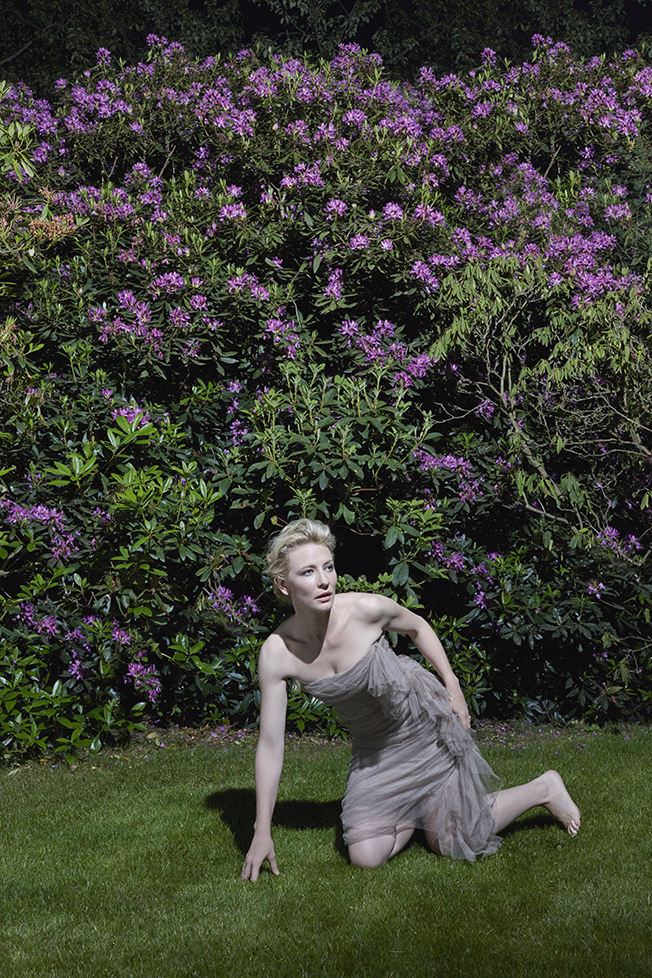
Since then, Agius has photographed many of the great figures of contemporary film, music and culture. His sitters include Ewan McGregor, Jude Law, Helena Bonham Carter, Cate Blanchett, Clive Owen, Kate Winslet, Denzel Washington, Angelina Jolie, Brad Pitt, Tom Cruise, Julia Roberts, Will Smith, Madonna and Meryl Streep, among others, all of whom featured in this exhibition. Yet his portraits were never simply an inventory of famous faces. Their power lay in the tension they held: between public image and private presence, theatricality and candour, glamour and vulnerability.
This is what made Agius’s work so compelling. Actors are, by profession, masters of transformation. They inhabit roles, carry myths, and allow audiences to project emotion, desire and memory onto them.
Agius approached them not merely as celebrities, but as images already charged with cultural meaning. Through his lens, they became at once familiar and newly strange. The face we think we know became a field of performance, wit, distance, seduction or introspection.
The exhibition’s title, Icons of Film, invited a double reading. These were icons in the contemporary sense: internationally recognised figures whose images circulate across screens, magazines, posters and social media. But they were also icons in a deeper, art-historical sense: images invested with aura, devotion and ritualised attention. The film star, like the sacred image before it, is framed, lit, adored and endlessly reproduced. Agius’s portraits understood this visual economy very well. They did not merely show glamour; they asked how glamour is constructed, how it endures, and why it continues to enchant.
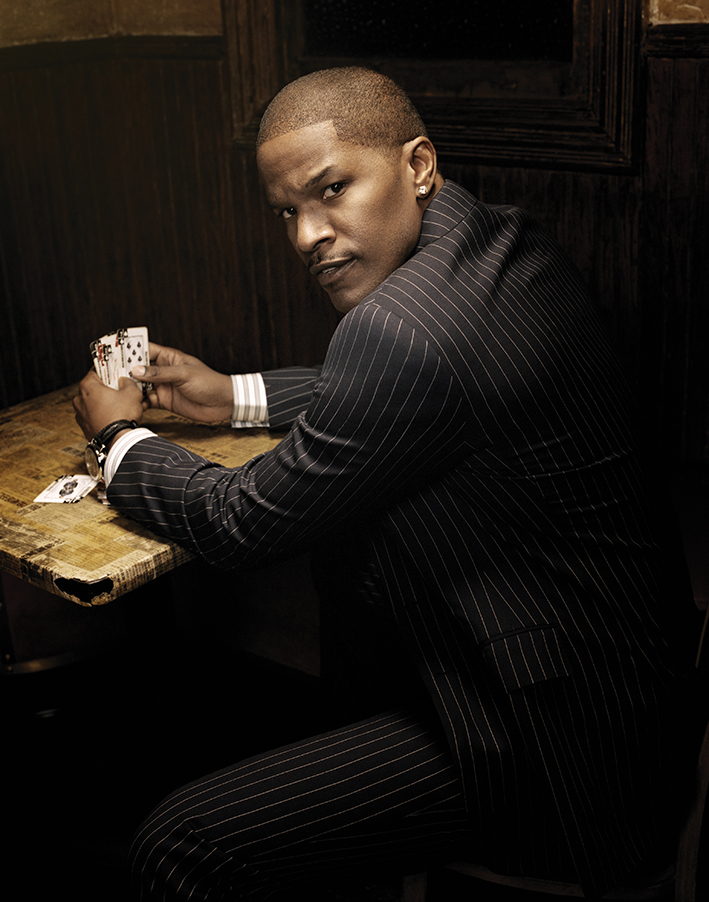
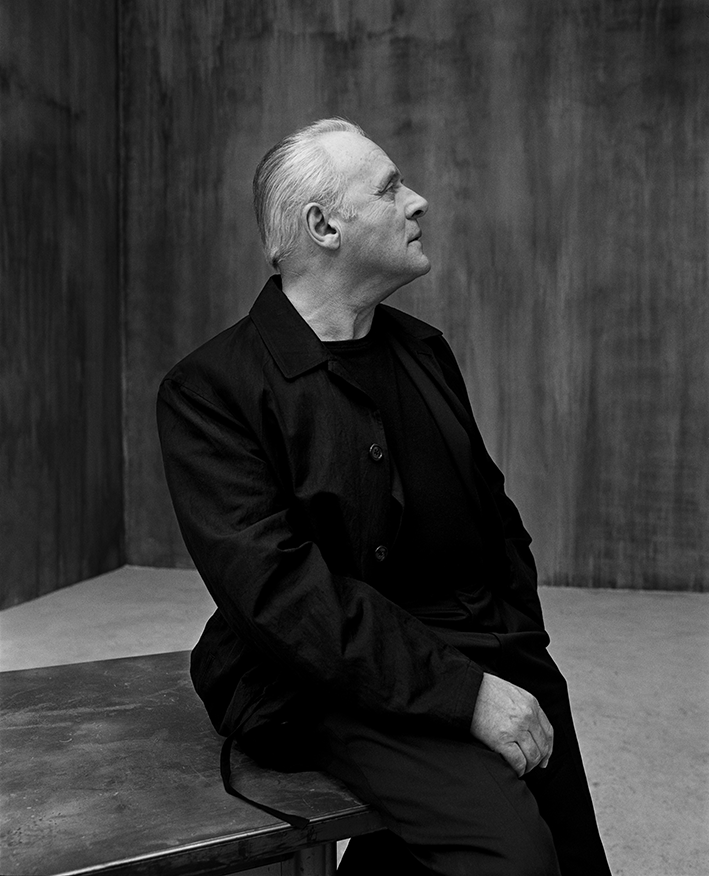
The Maltese setting gave the exhibition an added resonance. Icons of Film followed Agius’s first-ever retrospective in Valletta last year and his February 2026 exhibition at Corinthia London, LOOK AT ME: Framing the Iconic, presented during the international awards season of the BAFTAs, Oscars and Grammys. The Corinthia Palace Malta exhibition brought that conversation back to Malta, placing Agius’s work in dialogue with the Mediterrane Film Festival and with Malta’s growing role as a meeting place for international film professionals, creatives and audiences.
“Their power lies in the tension they hold: between public image and private presence, theatricality and candour, glamour and vulnerability.”
For Agius, this Maltese chapter was especially meaningful.
“I am genuinely delighted by the way this collaboration has developed with Corinthia Group, first through the London exhibition and now here at Corinthia Palace Malta,” he said. “I am also deeply grateful for the support and collaboration of the Malta Film Commission, which supported the Valletta exhibition last year, and Arts Council Malta. There is a real sense that Malta is embracing my work, and for me that is incredibly moving. Although I have never lived here, Malta has always been part of who I am. Now it feels, in a very real way, like coming home.”
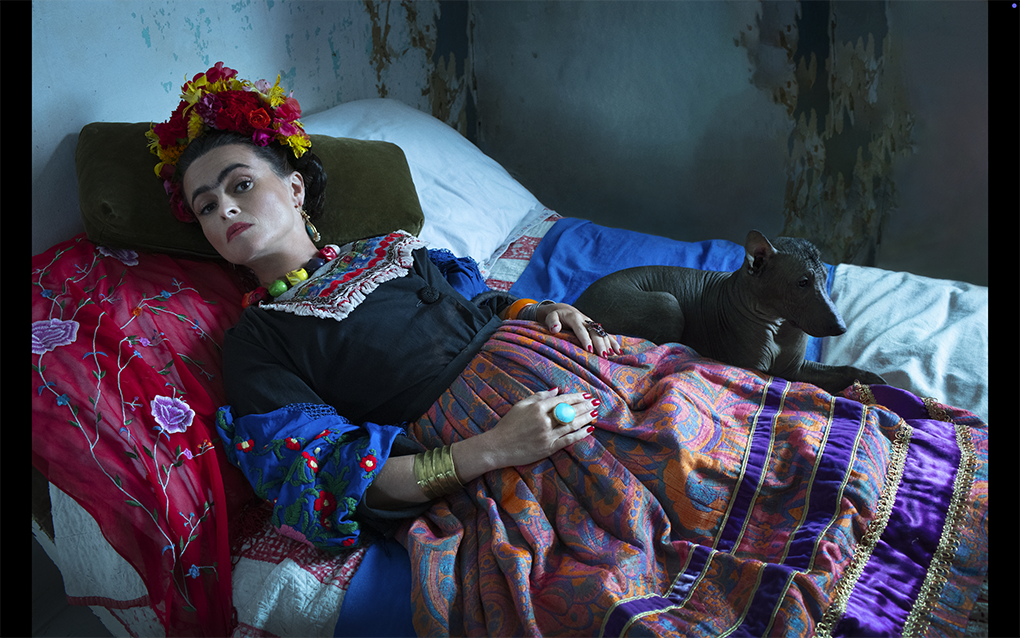
That idea of return was central to the exhibition’s emotional charge. Agius’s career has been profoundly international, shaped by London, cinema, magazines and the global machinery of celebrity. Yet his Maltese roots gave the exhibition a particular poignancy. At Corinthia Palace, the original property from which the internationally renowned Corinthia Hotels brand grew, the exhibition drew a subtle parallel between Maltese beginnings and global reach.
Both Agius and Corinthia belong to stories that began from Malta, or through Maltese identity, and moved confidently onto an international stage.
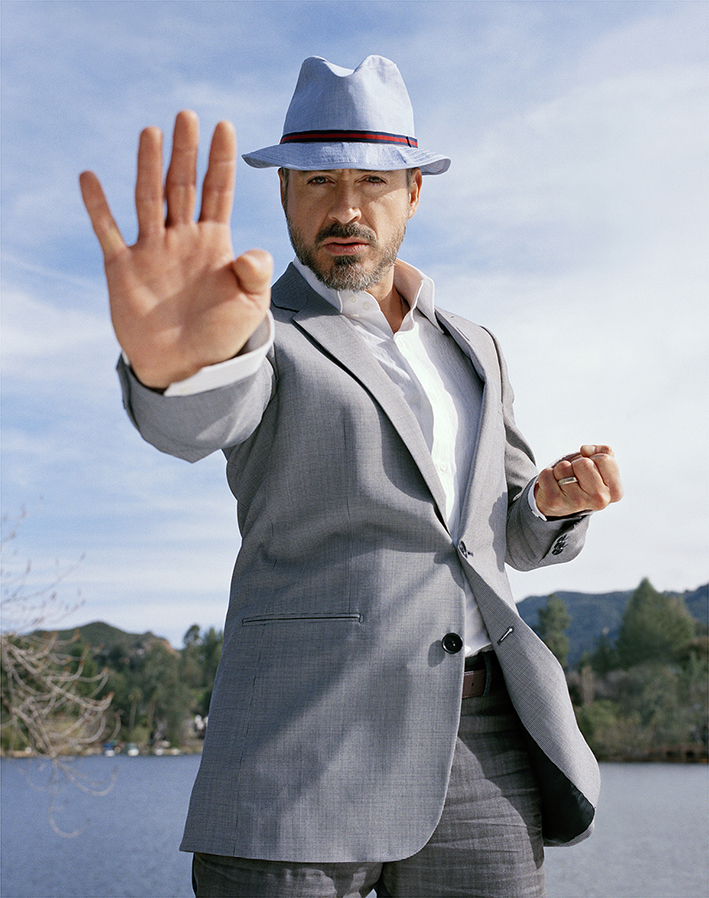
In this sense, Icons of Film was not only a celebration of cinema. It was also a celebration of image-making as a form of cultural memory. Agius’s portraits reminded us that cinema does not exist only on screen. It lives in still photographs, posters, press images, magazine spreads and the visual fragments through which generations remember films and their stars. The still image can distil an entire performance, an era, or a mythology into a single charged moment.
The exhibition also served as a reminder that the world of cinema is sustained by a vast creative ecosystem beyond the camera and the screen: photographers, designers, stylists, publicists and image-makers whose work helps shape how films are seen, remembered and loved.
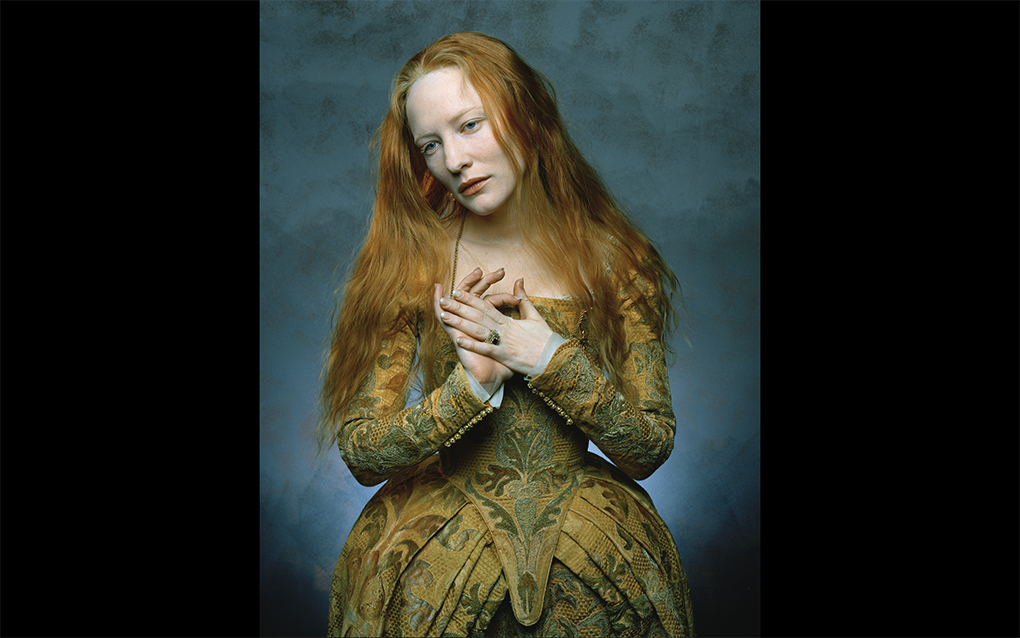
Staged during the Mediterrane Film Festival, Icons of Film offered audiences in Malta and visiting guests an opportunity to encounter cinema differently: not as moving image, but as portrait; not as narrative, but as presence. Through Agius’s lens, the familiar became luminous again. These were not only photographs of stars. They were images of cinema’s power to make us look, remember, desire and believe.
“As the birthplace of the Corinthia brand, Corinthia Palace Malta has long championed the arts as an integral part of its identity, creating opportunities for guests and visitors to engage with culture in meaningful ways. Presented alongside the launch of the hotel’s newly refurbished rooms, Icons of Film formed part of a broader vision that combines contemporary comfort and style with enriching cultural experiences, further enhancing the sense of place that defines a stay at Corinthia Palace Malta.”
The exhibition was supported by Mediterrane Film Festival, Visit Malta and Arts Council Malta, and was made possible with the generous support of ILAB Photo and Mizzi Studio.