Stylefile
People often believe a fashion collection reaches its destination the moment the final model leaves the runway. For me, that moment is something very different. It is not the end of a creative journey, but the beginning of another.
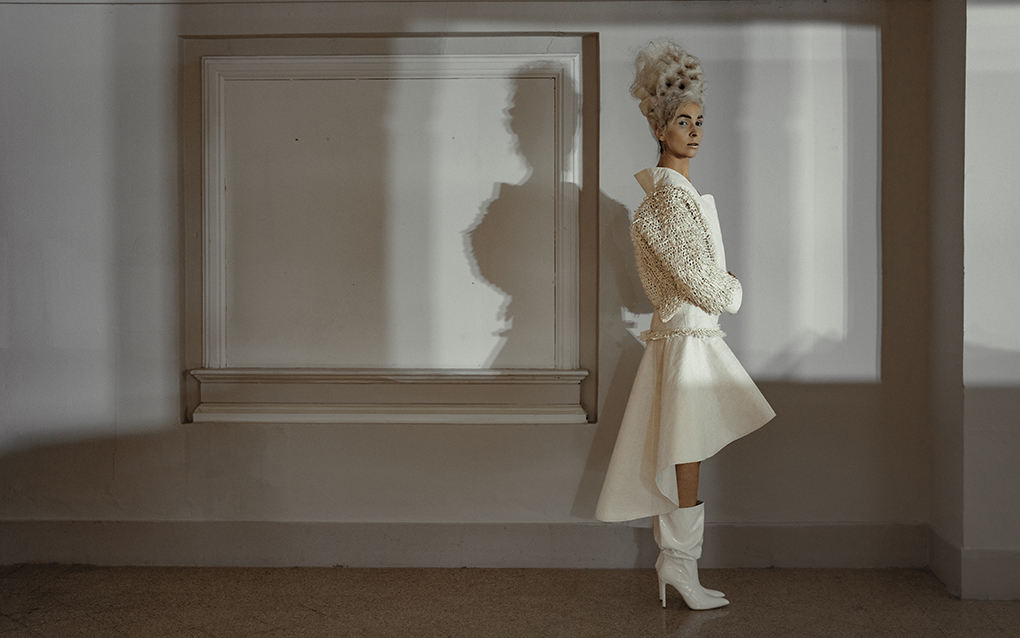
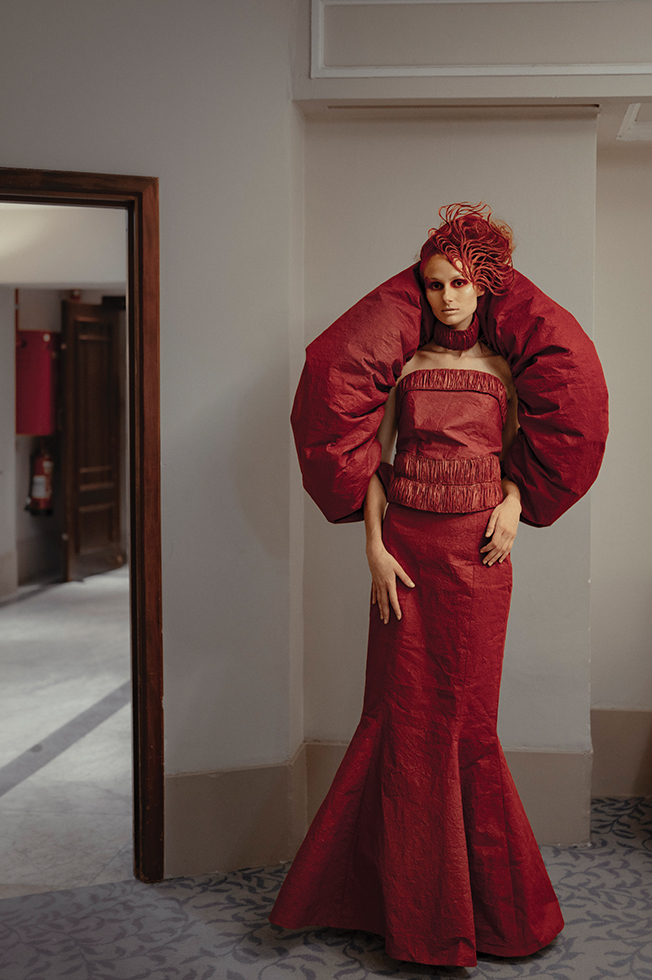
Photography by Brian Grech
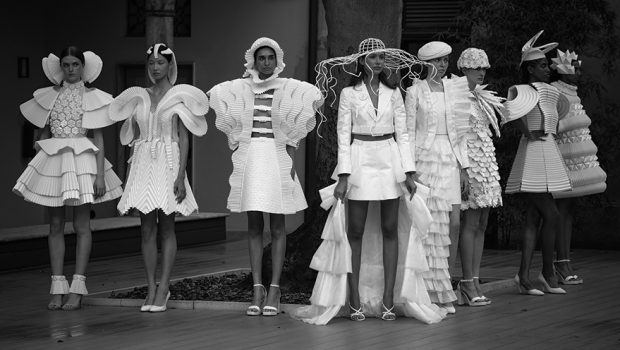
When Textures of the Sea was presented at Malta Fashion Week, the audience saw finished garments. What they could not see were the months of experimentation, uncertainty and countless decisions that had already shaped each piece long before it reached the catwalk. More surprisingly, they could not know that the collection would continue evolving long after the applause had faded.
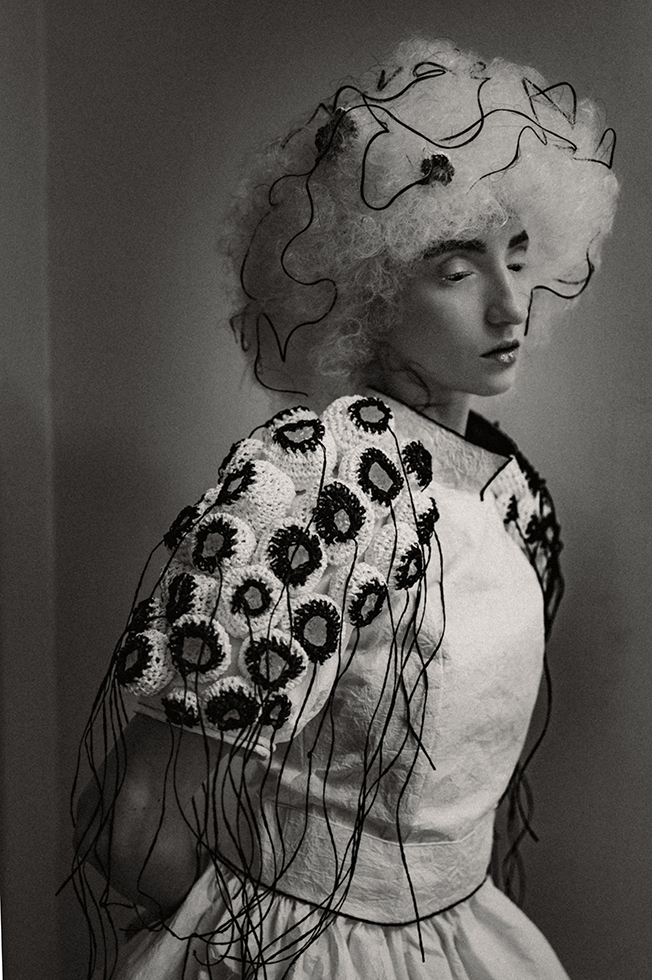
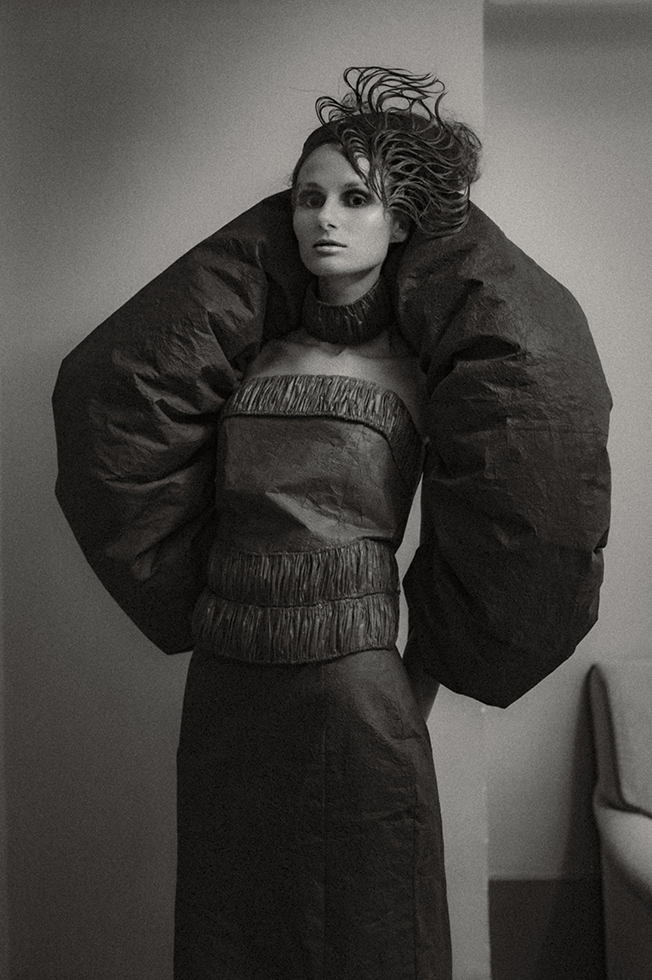
For years my work became associated with paper folding, where the craftsmanship was immediately visible. This collection challenged that relationship. Before a single garment could be assembled, the paper itself had to be transformed through treatment, testing and repeated experimentation. Much of the craftsmanship became invisible.
Weaving, crochet, raffia construction and structural manipulation gradually found their place alongside folding, not as replacements but as natural extensions of the same artistic language. Rather than abandoning paper manipulation, I was allowing it to evolve.
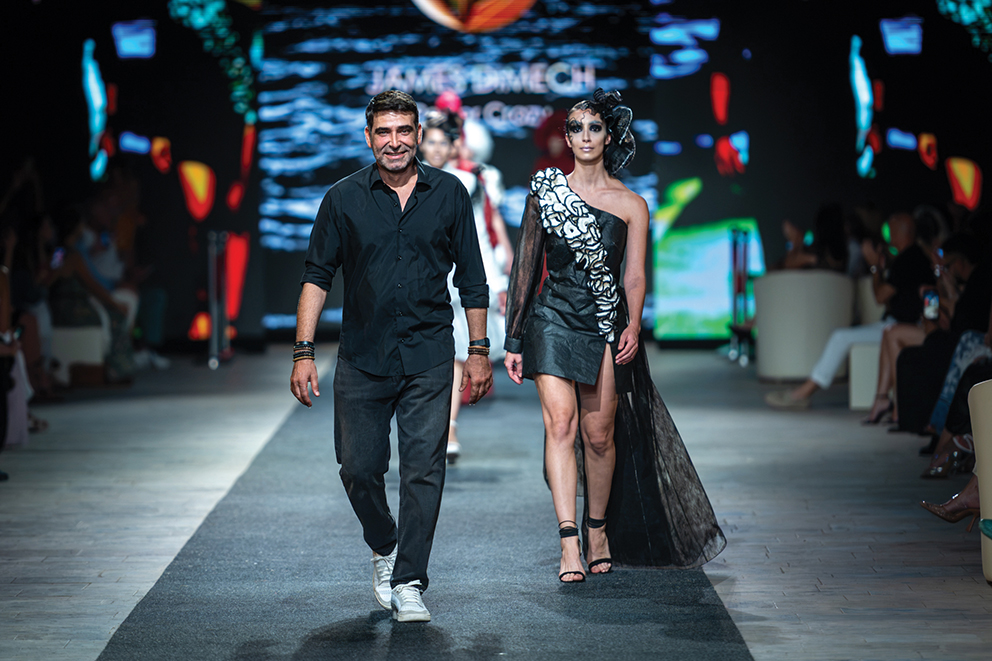
Rather than relying on recognisable Maltese symbols, I chose to acknowledge my identity through the dialogue between red and white—the colours of the Maltese flag. Coral, shells, waves and underwater textures became emotional references rather than decorative motifs.
Malta Fashion Week did not close the project. It clarified it. Returning to the studio, I began seeing the garments differently. The momentum created by the runway did not disappear; it grew stronger. A collection is never finished. It simply reaches a moment when it is ready to be shared.
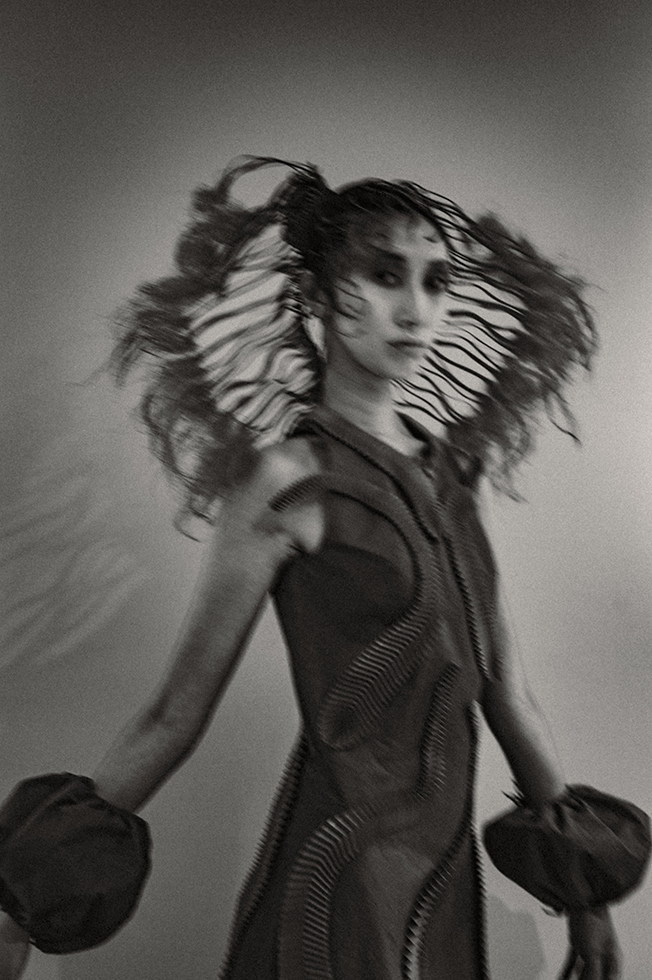
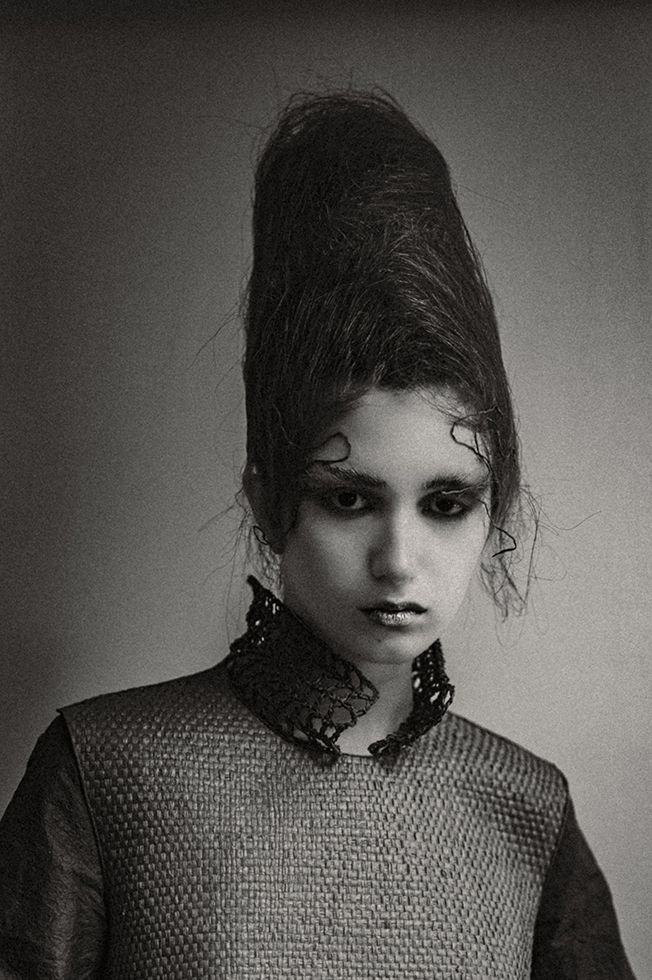
Textures of the Sea was never created in isolation. Stylist and art director Linda Boranga helped shape the visual identity of the collection. Hair artists Clinton Attard and Shelley Lane spent weeks preparing sculptural wigs and bespoke hair elements that became an extension of the garments. On the day of the show, Krista Zammit Marmara completed that vision through expressive artistic makeup, allowing fashion, styling, hair and makeup to speak the same visual language.
Today, when I look back at the collection, I no longer see only garments. I see conversations, experiments, failures, discoveries, friendships, collaboration and a creative process that continues to teach me long after the runway lights have gone out. The runway is not where a collection ends. Sometimes it is where it finally begins.