Paper Dream
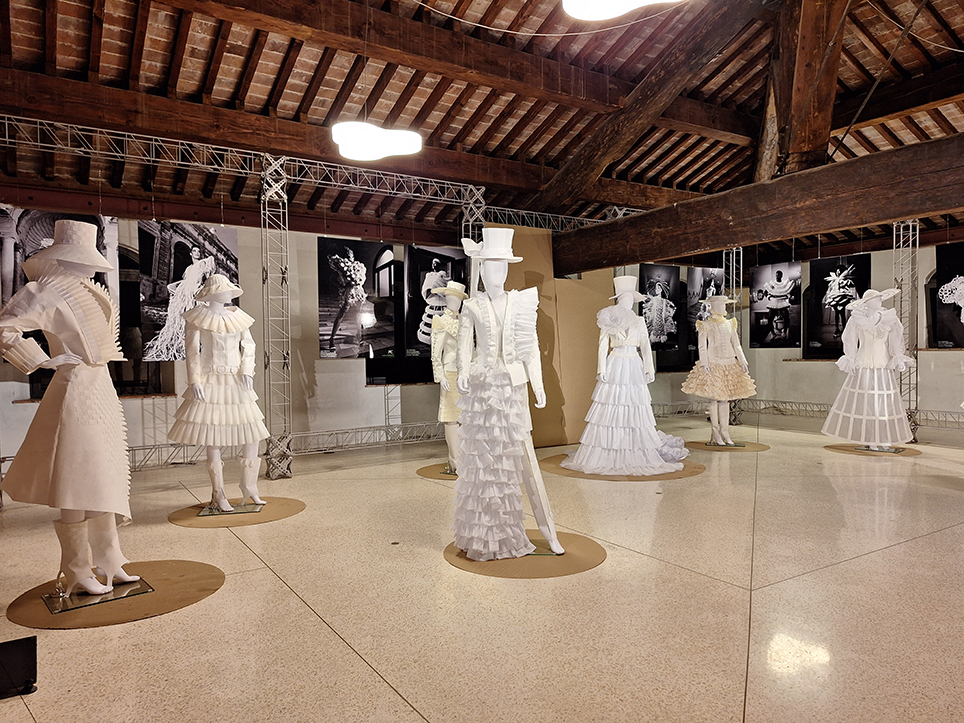
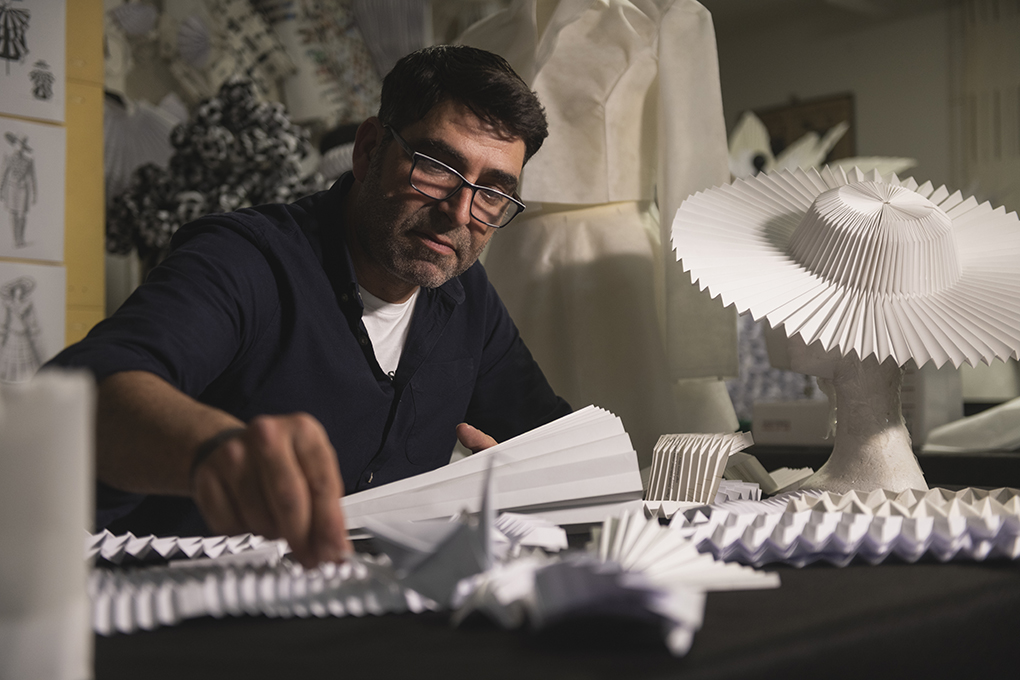
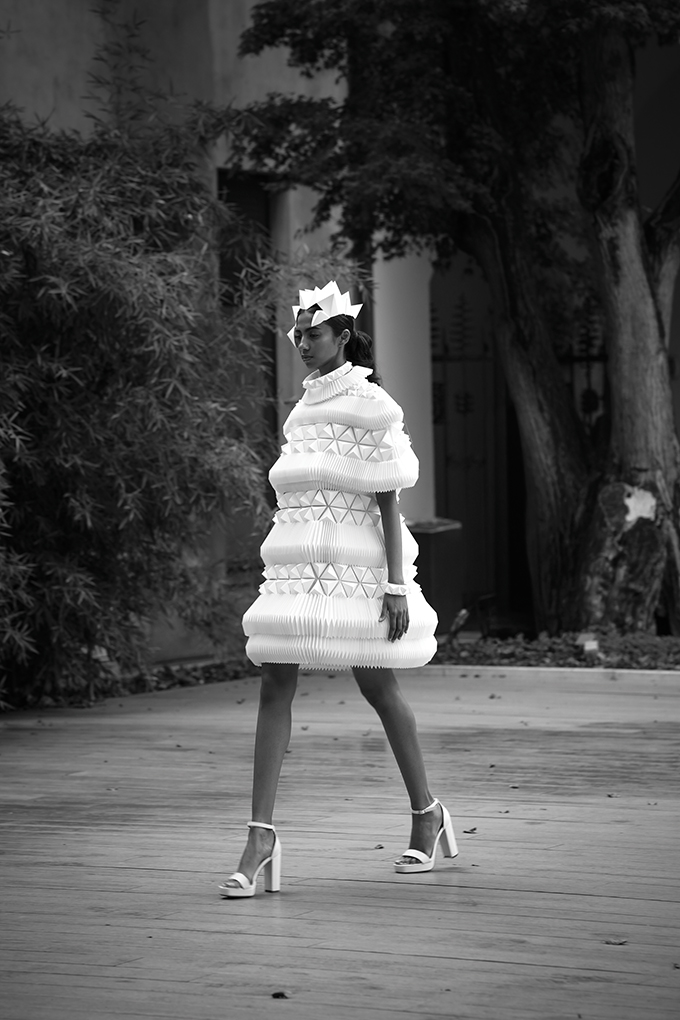
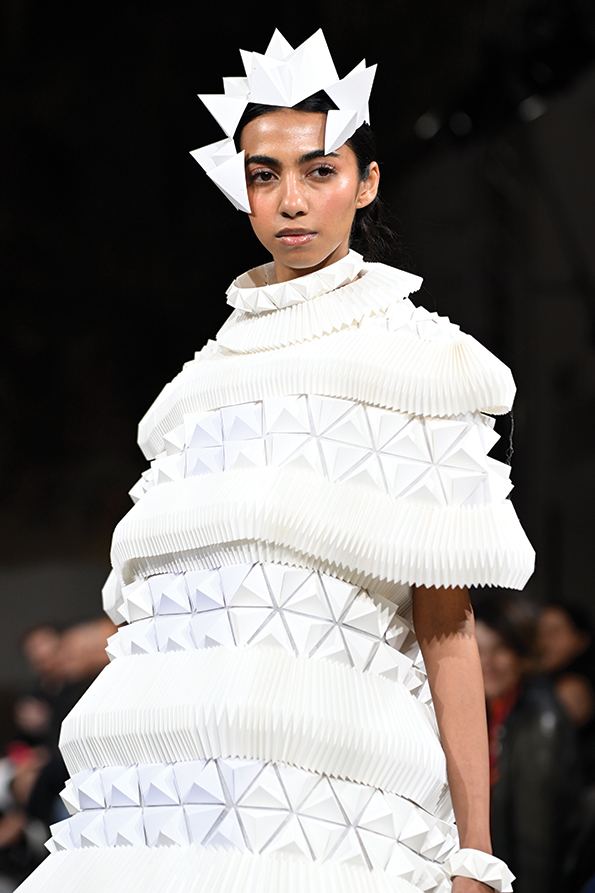
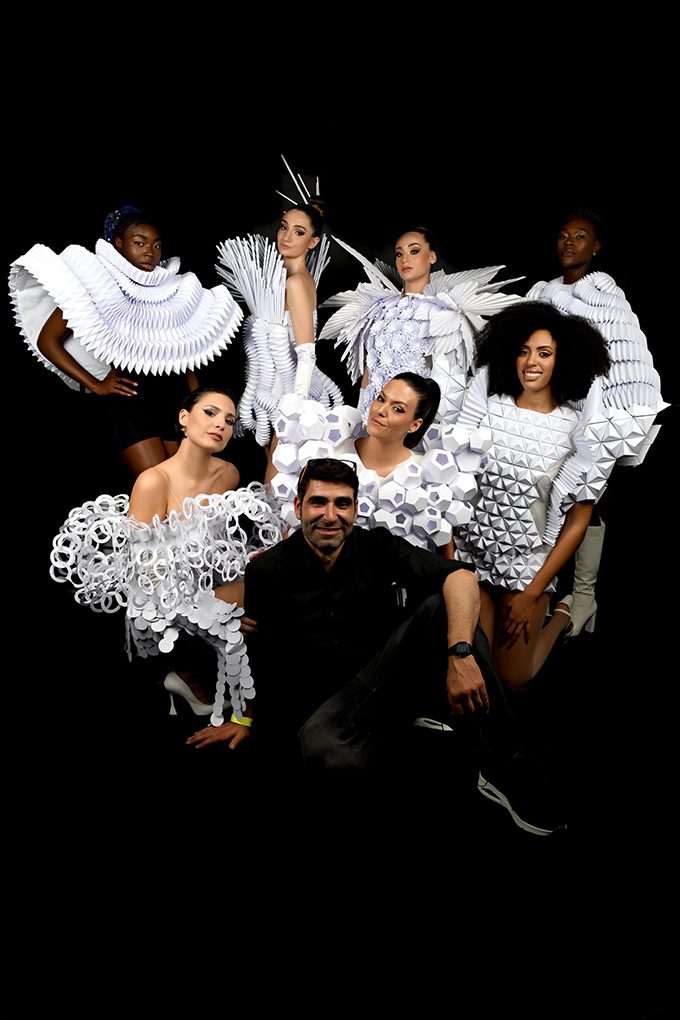
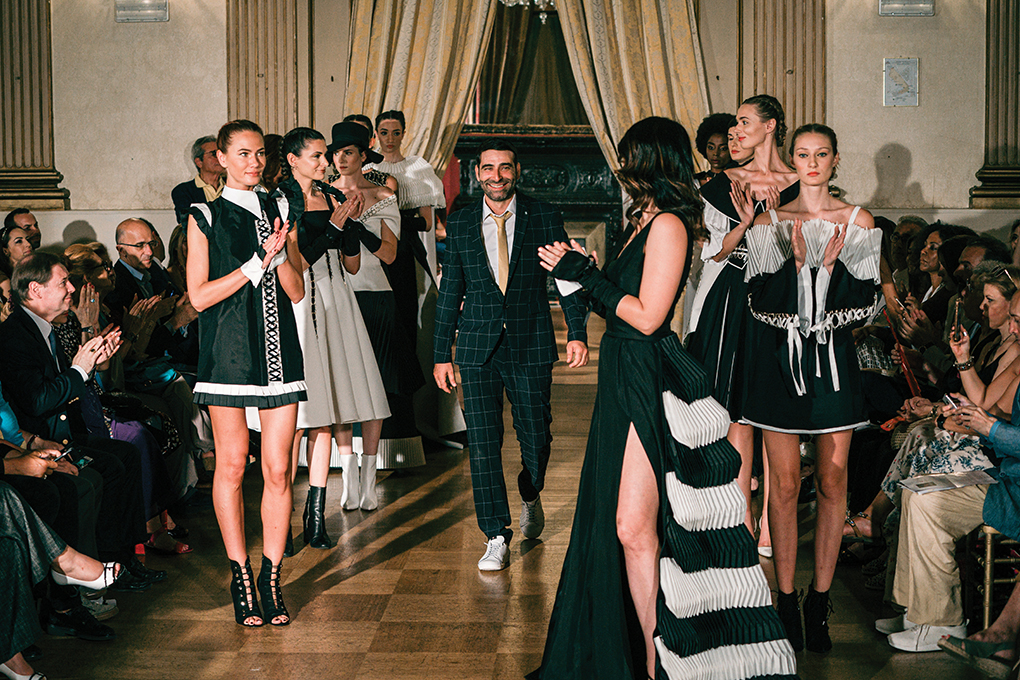
Architect, artist, and designer James Dimech has built a creative world where paper breathes, folds, and transforms into wearable art. From recycled sheets to experimental textiles like Kraft-Tex and milk tissue paper, his work challenges our perception of fragility, turning everyday materials into extraordinary couture. Blurring the boundaries between architecture, design, and fashion, Dimech’s creations have travelled from Malta to international stages, most recently gracing Milan Fashion Week with his striking Paper Crazy collection in collaboration with the Istituto Italiano Design in Perugia.
In this conversation, he opens up about his creative process, the tactile poetry of paper, and the balance between structure and imagination.
Photography: shot_by_Andrei
What’s kept you busy since our last conversation in Vamp back in 2016?
That 2016 cover story was a turning point, the start of my journey into wearable art. Since then, I’ve continued pushing the boundaries of paper as a couture material, showcasing my work internationally at Rome Fashion Week, Miss Eco International in Egypt, the BigSEE Award in Lithuania, the Lucca Biennale Cartasia, the Paper on Skin project in Tasmania, and the Carta è Cultura festival in Fabriano.
Teaching has also become central to my practice. I lecture on paper manipulation at the Istituto Italiano Design in Perugia and at the University of Malta, where I lead The Art of Paper Manipulation course.
Most recently, I presented my Paper Crazy collection at Milan Fashion Week, a full-circle moment nearly a decade after that first Vamp collaboration.
What first drew you to paper as a medium for wearable art?
Paper has always fascinated me. It’s humble, accessible, and full of possibilities. As a child, I was always folding, cutting, and building small architectural models, never realising those same instincts would later define my artistic path. What drew me to paper was its duality: it can be both delicate and structural. That contrast between vulnerability and strength felt deeply human, and that’s what I wanted to express through fashion.
How do you decide whether a material will work? Is it more about testing its limits or about letting it suggest a form?
It’s a dialogue. I start by understanding the character of the material, its fibre, tension, and response to manipulation, but I also let it speak. Sometimes a fold, a tear, or a texture reveals an unexpected direction. I’ve learned that paper doesn’t like to be forced; it teaches patience. Over the years, I’ve expanded to sustainable textiles made from post-consumer plastic bottles, yet my approach remains the same: to listen to the material and let it lead the design.
Many of your works feel architectural, almost sculptural. How do you balance that sense of structure with the need for movement and wearability?
My background in architectural model-making naturally influences how I think about form. I design garments as I would construct a space, considering rhythm, proportion, and balance. But movement is essential. I build flexibility into the folds, using pleating systems that allow the paper to expand, contract, and flow with the body. It’s about finding equilibrium between sculpture and soul, between what stands and what breathes.

Which themes or emotions are you most interested in conveying through your wearable pieces?
Transformation is at the core of my work, turning the ordinary into the extraordinary. Each piece is a metaphor for resilience and rebirth: paper that once carried words or ideas becomes a living form again. There’s also a quiet sense of grace and introspection in my designs; they invite viewers to slow down, to feel texture, light, and shadow. Ultimately, my work is about celebrating fragility as a source of strength.
What challenges come with working with paper and recycled materials, and how do those challenges shape the final design?
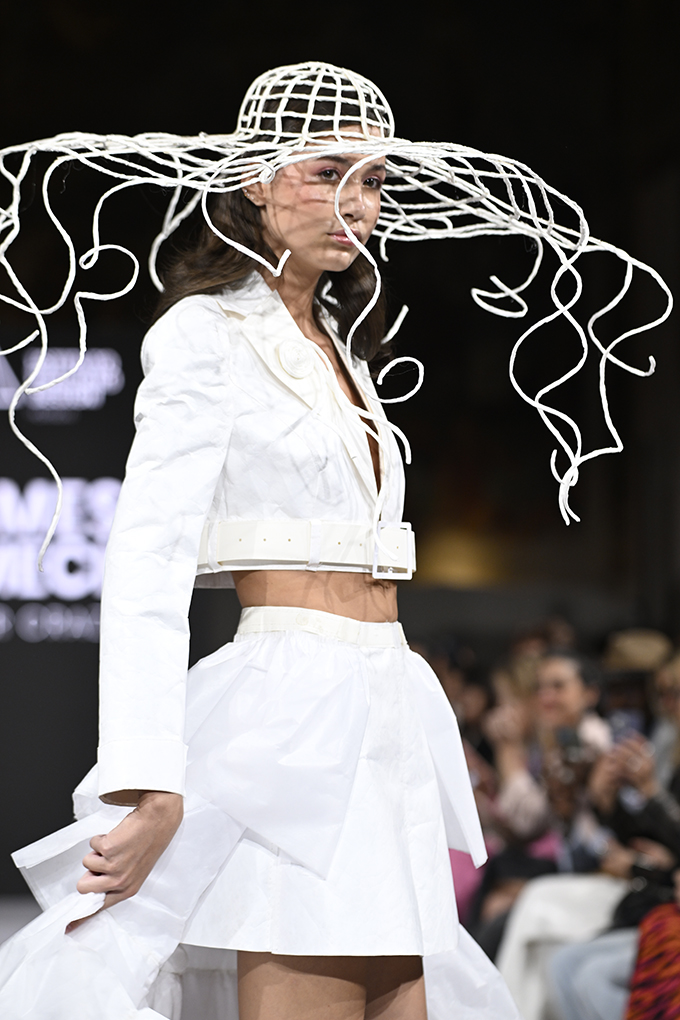
Paper demands respect. It has limits such as humidity, weight, and tension, but those same limits push me to innovate. I reinforce delicate areas, layer different grades, or combine them with sustainable alternatives like Kraft-Tex, cork paper, or milk tissue paper. The process is full of trial and error, but each challenge refines the final piece. I often say that paper doesn’t forgive mistakes, yet it rewards precision.
Folding is a recurring language in your work. Beyond technique, does folding carry symbolic or conceptual meaning for you?
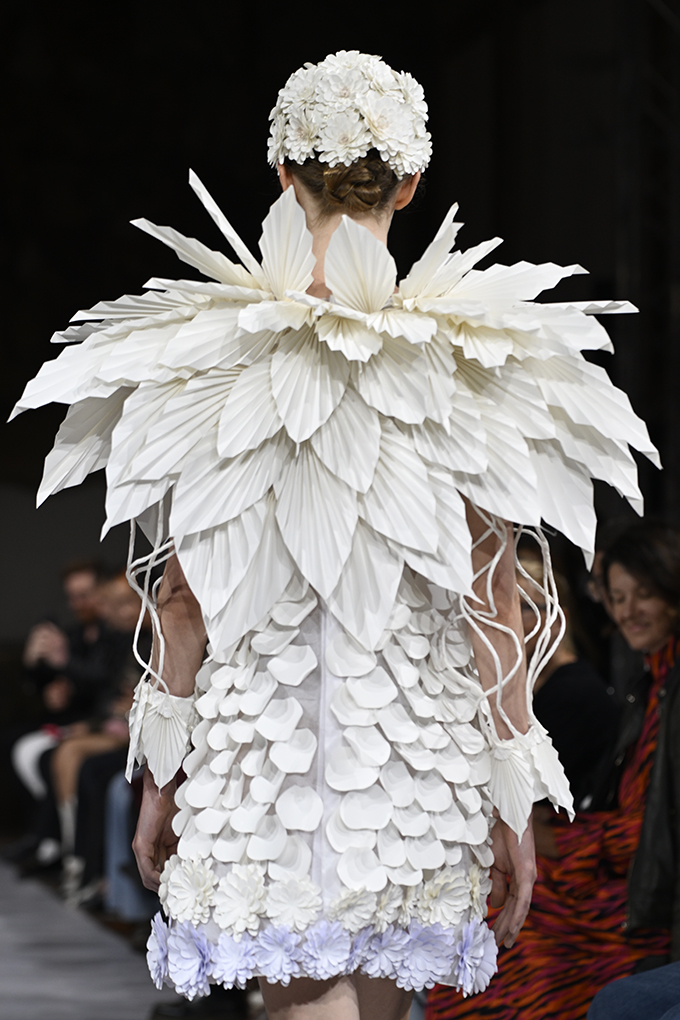
Absolutely. Folding is both a technique and a philosophy. Each fold marks a decision, a moment of transformation. When you fold a sheet, you change its memory forever; it can never return to being flat. I see that as a metaphor for life. Every experience, like every crease, leaves a trace that shapes who we become. Folding is how I translate emotion into structure.
Looking back, which project or collection has felt most pivotal in shaping your direction as an artist?
Each project has marked a different chapter in my creative journey. Paper Grace was an important diversion, as it moved away from wearable art into the realm of collectible paper creations. That project, which went on to win Premju Ġieħ l-Artiġjanat as Product of the Year, reaffirmed that paper could hold artistic and emotional value even beyond fashion.
But the most defining moment came this year, when I presented my Paper Crazy collection at Milan Fashion Week. Being featured among international designers was both humbling and transformative. It allowed me to see my work through the lens of the professional fashion industry while staying true to my roots in craftsmanship and material exploration. Milan was more than a show; it was a statement that paper couture has a place on the global stage.