A Retrospective with Teeth
Thirty years of faces, fame and fleeting truth, Lorenzo Agius, the photographer who turned the 90s into mythology, returns to Malta with Framing the Iconic.
This season, Malta gets a jolt of raw iconography. Photographer Lorenzo Agius, the eye behind Trainspotting’s now-mythic portraits and decades of cultural chaos, brings his first-ever major retrospective home. Framing the Iconic opened 12 September at Spazju Kreattiv, pulling together thirty years of cinematic faces, emotional static, and moments that don’t pose, they exist.
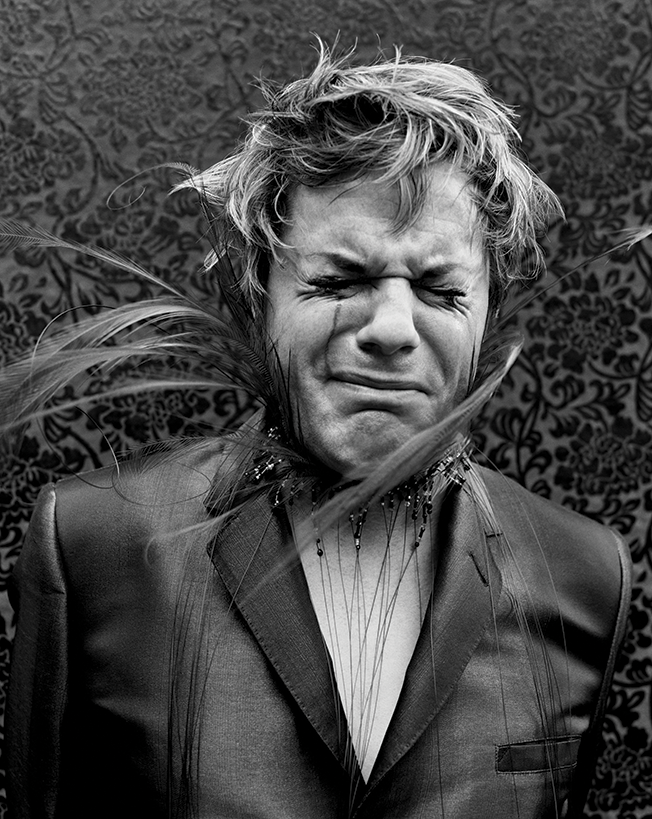
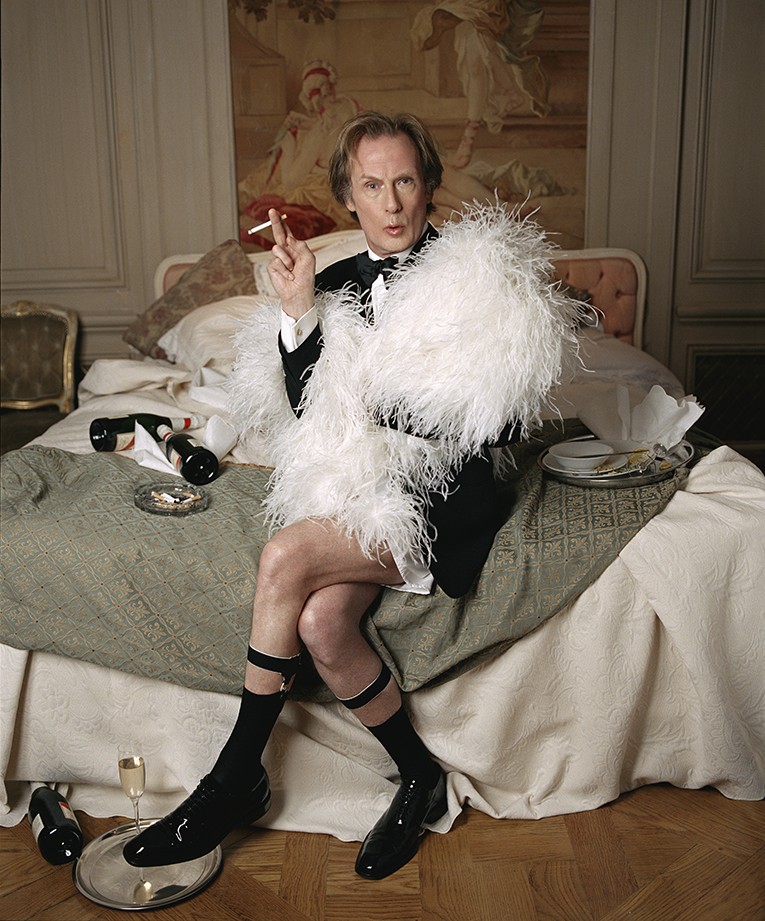
Agius, British-born, Maltese-blooded, carved his name into the visual DNA of the 1990s with portraits that felt like stills from the film of a generation. He shot stars before they knew they were stars, catching the flicker between confidence and collapse, between arrogance and innocence. His subjects? Not famous people, people who happen to be famous. Their power isn’t performance; it’s presence, distilled into a single, unguarded breath.
The Shot That Changed Everything
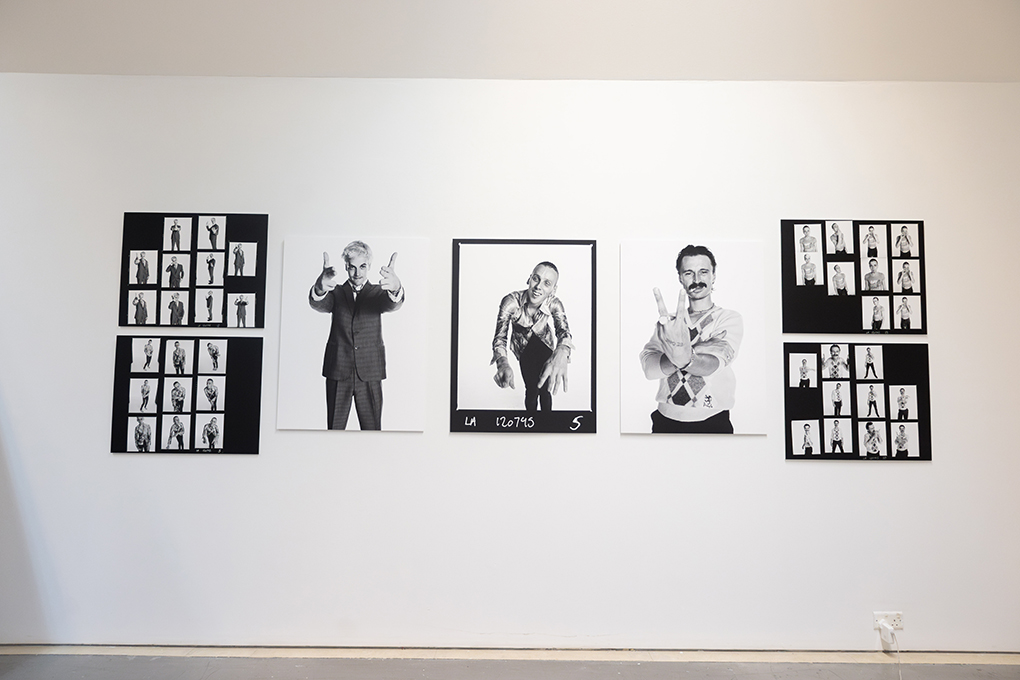
In 1996, when Britain was pulsing with Britpop and late-night neon, a young Agius was handed a modest brief: shoot the cast of a small independent film called Trainspotting. What he delivered detonated across culture.
Ewan McGregor’s eyes, wired with hunger and despair; the cast’s defiant swagger. These weren’t promo stills, they were portraits of a generation about to combust. The images didn’t just sell a film; they bottled the anarchic glamour of Cool Britannia.
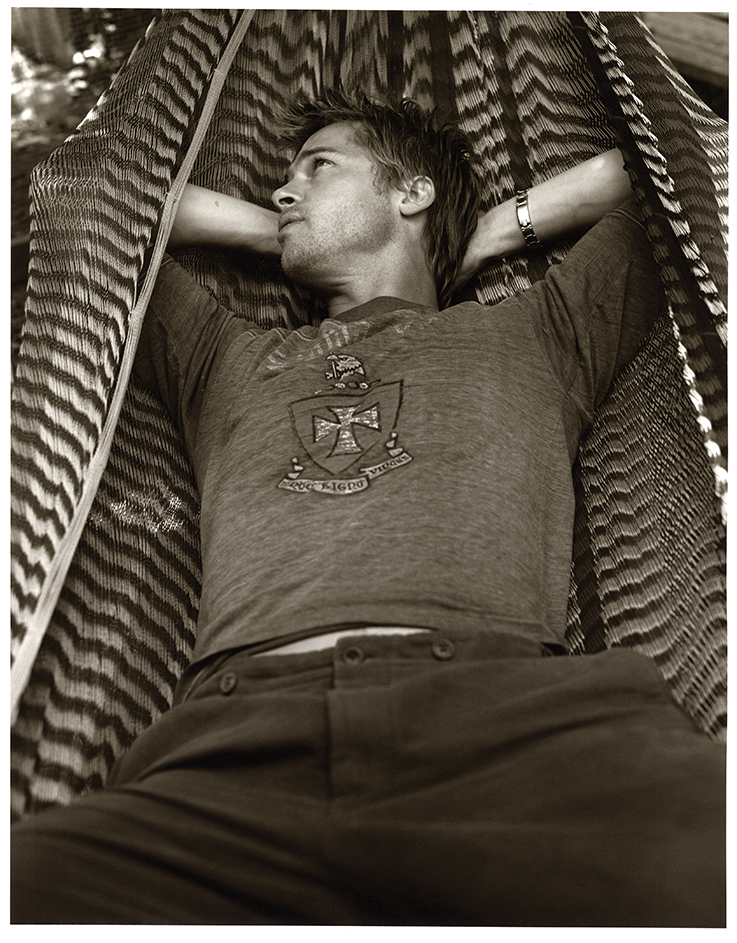
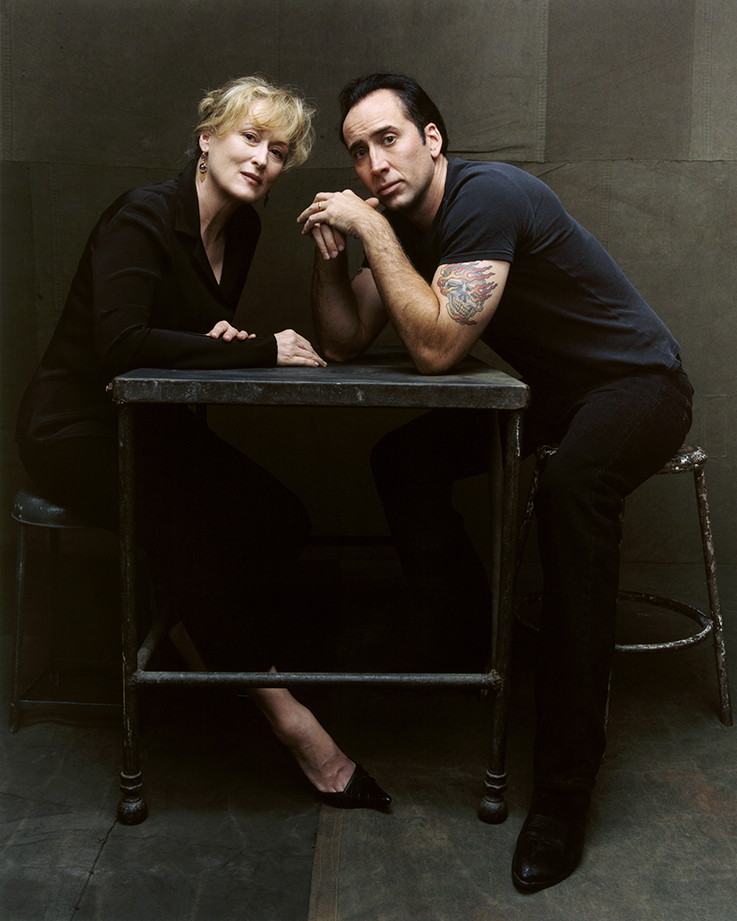
From that moment, Agius became the visual chronicler of a nation’s new mythology. He photographed David Beckham, The Spice Girls, Liam Gallagher, Patsy Kensit, icons of sound and attitude, before crossing the Atlantic to shoot Madonna, Brad Pitt, Penélope Cruz, Jack Nicholson, Helen Mirren, Angelina Jolie, and a constellation of Hollywood royalty.
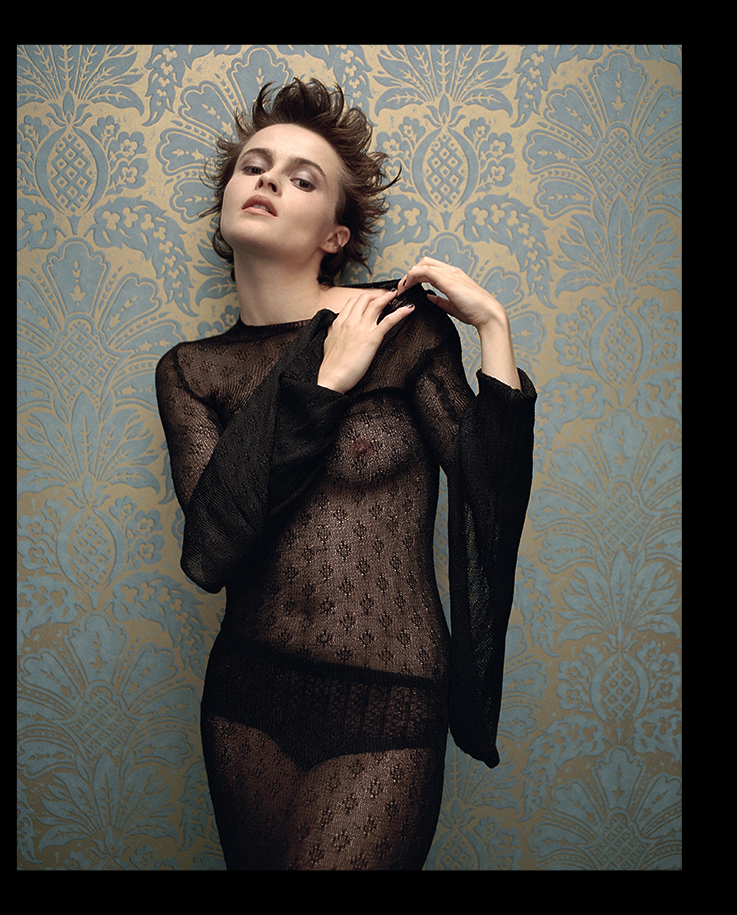
Yet what set him apart wasn’t access or fame. It was empathy. His lens disarmed, disrobed, revealed. These weren’t rehearsed poses; they were collisions between persona and truth, where celebrity cracked just enough to let the human light through.


Framing the Iconic
The retrospective unfolds like a film told in four movements, each gallery a mood, a tempo, a fragment of Agius’s visual psyche. Cool Britannia kicks things off with the ferocity of youth. The Trainspotting portraits hang like relics of rebellion.
Around them orbit Beckham, Law, Gallagher and The Spice Girls, faces that once defined aspiration and chaos in equal measure. Contact sheets line the walls, messy and magnificent, revealing the near-misses and happy accidents that built the myth.
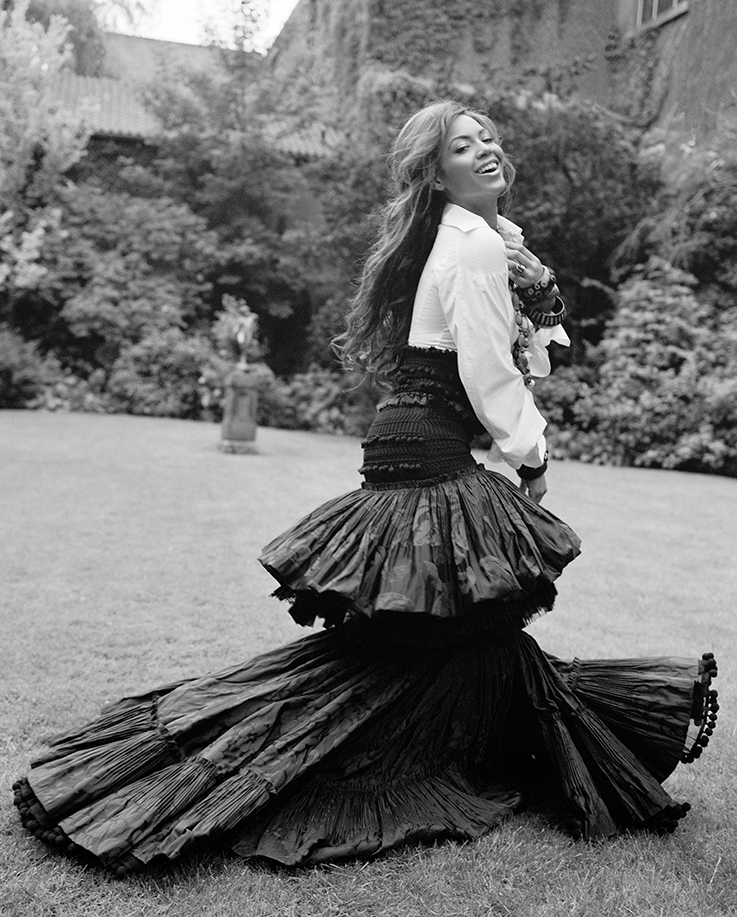
Next comes Familiar Strangers, a room of suspended light. Forty portraits — Beyoncé, Christian Bale, Julia Roberts, Penélope Cruz — float mid-air, untethered from frame or wall. Visitors move among them as if drifting through a dream of recognition. It’s fame rendered weightless, intimate and strange.
Then, in Evolution of a Portrait, the curtain lifts. A short film plays, Agius in motion, coaxing laughter, silence and vulnerability. He talks gently, listens more. On a nearby wall, a collage of magazine covers — Vanity Fair, GQ, The Face, Elle — charts the golden age of print, when a cover could crown a star and a photograph could define an era.
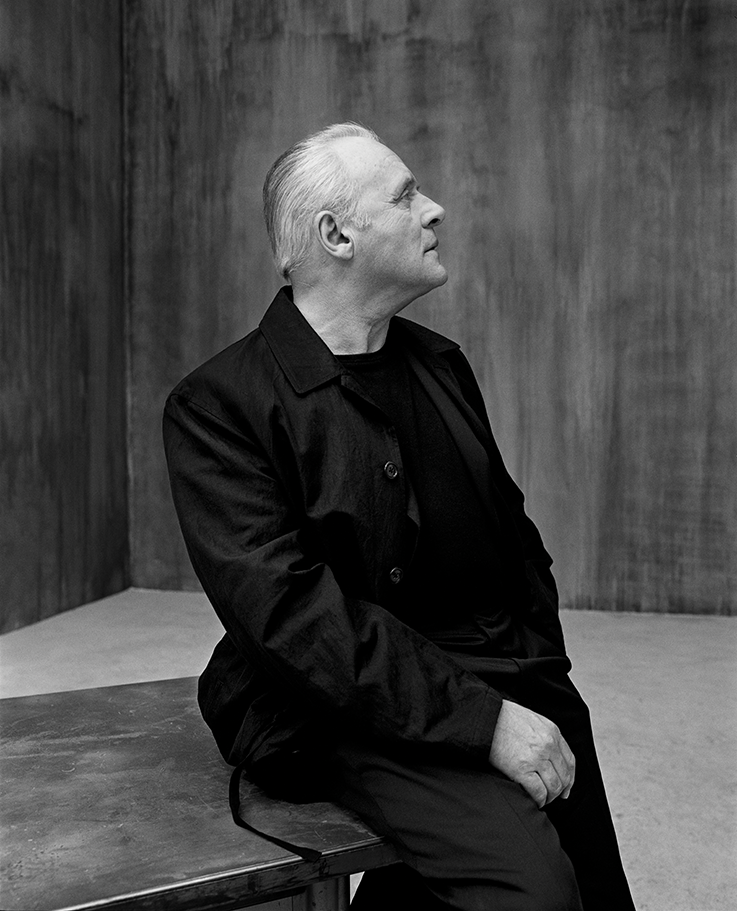
Finally, Legends closes the loop. Monumental prints of Madonna, Denzel Washington, Tom Cruise, Viola Davis and Helen Mirren stare back with impossible calm. No glass separates them from you, only air, light and the quiet thrum of recognition. It’s less gallery, more communion.

The Alchemy of Process
Every photograph Agius makes feels alive because he builds tension between control and surrender. He stages, then he waits for the heartbeat, the hesitation, the glance that betrays truth. “You can’t force honesty,” he once said. “You create space for it.”
That philosophy informs the exhibition design. Mather & Co, working with Charlene Vella and Maltese studio Studjurban, sculpted a space that moves like music, ambient projections breathing across limestone walls, shadows shifting as visitors drift. You don’t just see the photographs; you inhabit their frequency.
There’s a painter’s discipline to Agius’s imagery: chiaroscuro borrowed from Caravaggio, drama from cinema, texture from club lights and cigarette smoke. Each portrait is a collision of art history and pop culture, of the sacred and the street. The results are timeless but never static, elegance with bite.
And beneath it all, warmth. Agius’s sets hum with conversation. Subjects aren’t captured; they’re invited. The result is an honesty that lingers long after you’ve left the room.
The Homecoming
Though raised in the UK, Agius’s Maltese heritage anchors his identity. “I look back at my childhood with great affection,” he says. “It was humble, full of strong values, and it shaped how I work. I hope this exhibition inspires young artists in Malta to pursue their vision. If I could do it, so can they.”
Framing the Iconic is therefore not only a career retrospective; it’s a return to origin. For Agius, it’s personal. For Malta, it’s symbolic: an island claiming its place in the global conversation of image-making.
There’s pride in that, but also grace. Agius doesn’t arrive as a conquering hero. He comes home as a storyteller, carrying decades of faces and flashes that belong to everyone who’s ever looked into a lens and hoped to be seen.

Seeing and Being Seen
At its core, Framing the Iconic isn’t about celebrity at all. It’s about perception, how we look at others and how they look back. Agius reminds us that fame is just another costume, and that behind every image lies the quiet ritual of being witnessed.
You walk through the show and feel the world slowing down. Light becomes language again. You remember that photography isn’t about perfection; it’s about proof that we were here, that we felt something, that someone saw us clearly for a moment.
That’s the power of Agius’s work: it invites vulnerability on both sides of the lens. The icons seem less distant, and we, in turn, feel seen.